
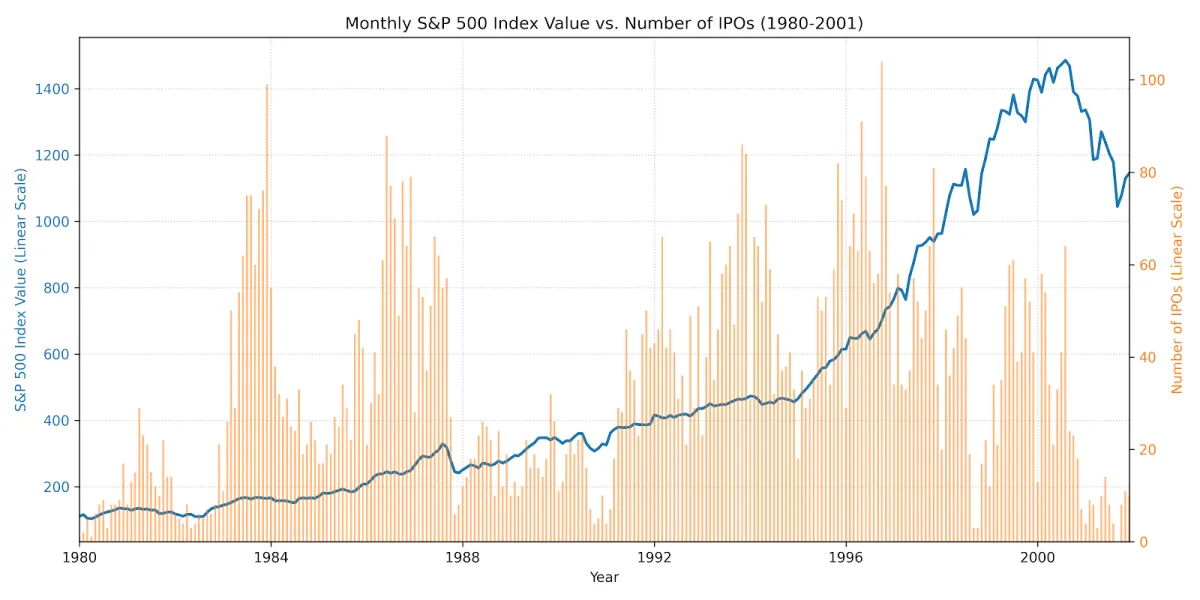
Exhibit 002: The Hype and Hot Air Around IPOs
Key Findings
During the Dotcom Bubble in 1999, there were 478 IPOs, nearly 80% were technology companies, more than 70% had no earnings, and the average first-day return was 71%. Three years later, almost all had lost money.
From 1980 to 2001, the market averaged approximately 35 IPOs per month, peaking at 104 IPOs in October 1996. During the 2020–2021 SPAC boom, more than 900 IPOs occurred in 2021, with nearly 70% consisting of SPACs.
IPO issuance declines sharply when markets weaken. A monthly market decline of 5% or more is typically followed by roughly a 50% reduction in IPO activity, suggesting issuers carefully time offerings to periods of investor optimism.
Over the long term, 56–60% of IPOs lose money, depending on whether investors purchased at the offering price or after trading began. Only 22% doubled in value after five years, while approximately 1% generated true "lottery ticket" returns.
The study concludes that most investors are better served waiting months or years after an IPO—or avoiding it altogether—rather than chasing first-day enthusiasm.
Overview
Public offerings are frequently portrayed as exciting opportunities to participate in the next generation of market-leading companies. This analysis by Novel Investor argues that the excitement surrounding IPOs is largely manufactured through limited share availability, carefully managed pricing, and favorable market conditions that encourage strong first-day trading performance.
While spectacular first-day gains receive widespread media attention, the long-term evidence tells a different story. Drawing on decades of IPO statistics, the article demonstrates that the majority of IPOs ultimately underperform the broader market and that long-term investor outcomes are considerably worse than the publicity surrounding these offerings would suggest.
Discussion
One of the article's most compelling observations is that IPO activity closely follows investor psychology rather than business fundamentals. Investment banks consistently bring more companies to market during periods of optimism and dramatically reduce offerings following even modest market declines. The data suggest that timing, scarcity, and enthusiasm are integral components of the IPO process rather than incidental market conditions.
The implications extend beyond investing. Business initiatives are often introduced with compelling narratives, optimistic forecasts, and significant publicity, creating expectations that may bear little resemblance to long-term performance. Whether evaluating an IPO, an acquisition, a digital transformation, or a major product launch, decision-makers should distinguish between initial excitement and sustained value creation. The article serves as a reminder that enthusiasm is rarely an adequate substitute for disciplined evaluation.
Why This Matters
Markets consistently reward compelling stories in the short term, but long-term success depends on fundamentals rather than excitement. This research illustrates how optimism can inflate expectations well beyond what subsequent performance justifies—a lesson that applies not only to IPOs, but to virtually every category of business initiative.
Original Source
The Hype and Hot Air Around IPOs
Jon Petersen, CFP®
Novel Investor
Published June 10, 2026
